
Brace Yourself

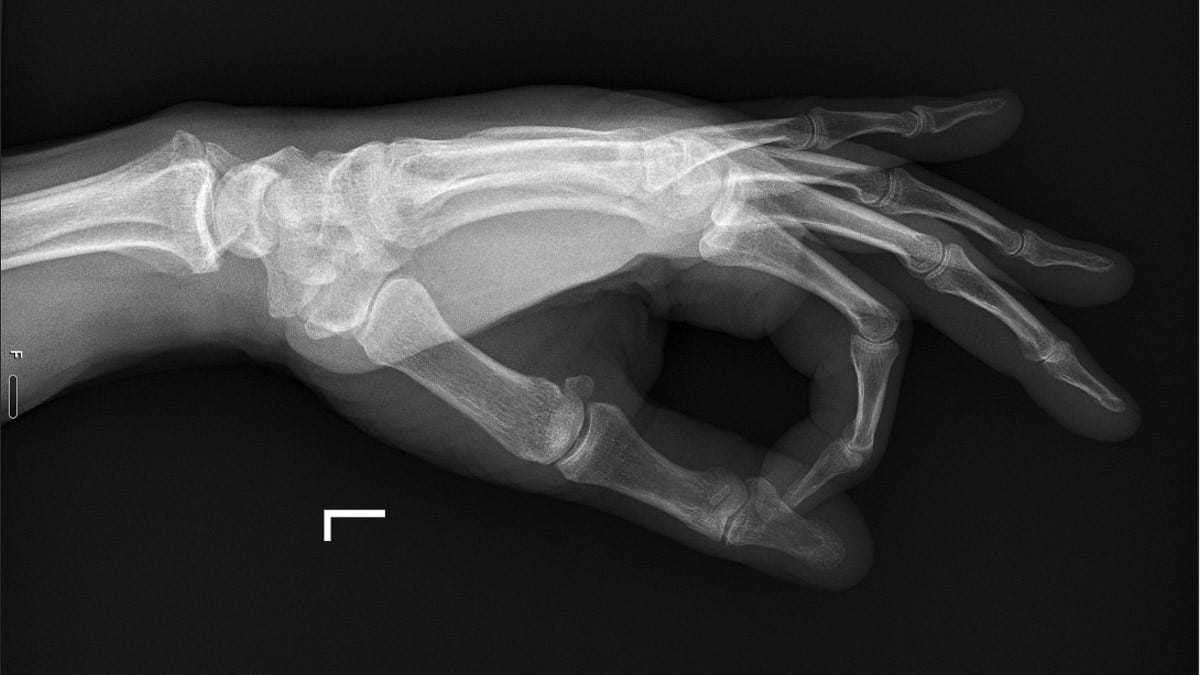
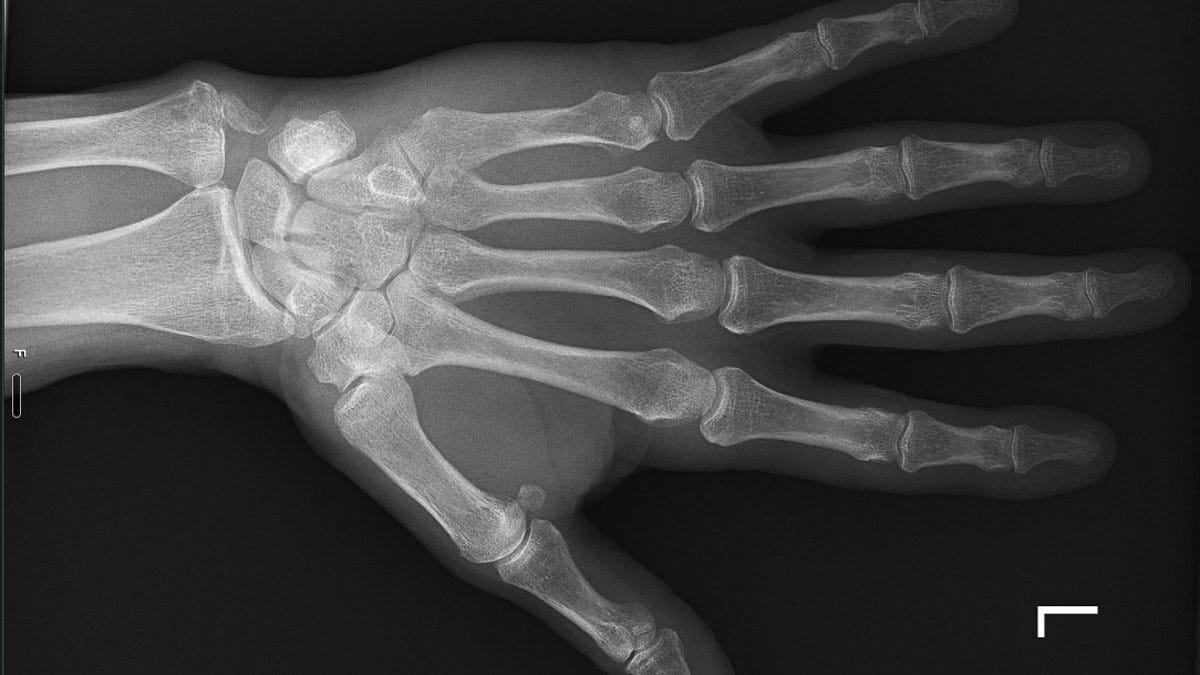
This past weekend I went out for a short ride on a beautiful day. It was nothing ambitious. I was climbing a hill with a hairpin turn near the top, going slowly, and as I leaned into the curve, my back wheel slid out from under me. I put my left hand down to brace the fall. That was the whole event. It took maybe two seconds. A day later, when the swelling and the bruising arrived, I went to urgent care, where an X-ray showed a small fracture in the bone along the outside of my hand. Now I am learning to type, dress, and open doors with a cast on my left hand. Coming to terms with an injury is a strange kind of teacher. Three lessons have kept me company this week: the cost of a lapse in attention, the price of not taking small things seriously, and the value of short-term discomfort.

The fall did not happen because the hill was steep or the bike was too fast. It happened because I stopped paying attention for a moment. I know that turn, and I have made it many times. Familiarity is what let my mind wander somewhere else while my body kept going. The wheel found the loose edge of the road, and there was no time to correct. Leadership works the same way. The failures I have seen up close rarely come from the hard problems that command everyone’s attention. They come from the routine ones, the turns we have taken so often that we stop watching. It’s the moments where, in our haste, we make assumptions: a conversation we assume went fine, a person we assume is fine, a project we assume is going fine. Attention is the least glamorous investment a leader makes and often the highest returning. It costs nothing, and it is only ever available in the present moment.

After the fall, I sat on the curb, took stock, and walked the bike home. I believed it was nothing; I wanted it to be nothing. Wanting it to be nothing is not the same as it being nothing. The swelling the next day made the argument for me. Had I waited a week, or let the hand heal on its own terms, I might have traded a few weeks of inconvenience for years of a stiff and aching joint. Sometimes, small things can become big things if left unaddressed. It’s important to do the analysis early and honestly. In organizations, the neglected thing is rarely dramatic at the start. It starts as a resentment nobody names, a role that no longer fits the person in it, a promise to a customer quietly missed. Attention is what notices. Taking it seriously is what you do next.

Wearing a cast is a nuisance. I am relearning how much of ordinary life assumes two working hands. Whether it stays on for two weeks or eight, I understand what it buys: the full use of my hand for the decades ahead. That trade is easy to accept when a doctor makes it for you and much harder when you have to make it for yourself. I find that many of my most important life lessons follow a similar pattern. Yes, sometimes honest feedback makes a week awkward, but it also has made my career better. Or consider the slower hire or longer leadership development move who becomes the person everyone else wants to work for. Often, there are investments made for a return that no quarterly report will ever capture, in people and projects that will still be leading long after we are gone. Temporary discomfort can lead to long-term gains. Suffering is a choice.
In life and leadership, we are both more fragile than we like to admit and more durable than we fear. A hairpin turn on a familiar hill is enough to fracture a bone. A cast and some patience are enough to make it whole again. What is asked of us is not heroic. Pay attention. Treat the small things as though they matters, because they do. Accept the discomfort that buys something worth having. Those we lead and love are watching how we handle the minor turns, and they are learning from it. Set the small bones early, and what we build will hold.

With love, gratitude, and wonder.
Scott

Sanyin Siang: Relevance built on diversity of relationships

A colleague once described my friend Sanyin Siang as a “multi-hyphenate”, thought leader, investor, author, coach, connector, mom, and the label says more about executive relevance than most leadership frameworks do. Sanyin runs Duke’s Coach K Center on Leadership and Ethics, holds appointments in engineering and divinity, and reaches more than a million LinkedIn followers. Thinkers50 called her the world’s most influential coach. What stayed with me is that none of it is accumulation. Her range is what lets her detect patterns of leadership effectiveness early, across military, sport, healthcare, and corporate settings.
Her useful distinction: intuiting a trend is half the work. The other half is influencing action, which depends on trust. The lynchpin is access — not to rooms, but to people and their stories. Her premise: everyone holds an innate gift, and context, community, and confidence surface it. Her latest project, Leading and Living a Life of Significance, asks leaders to redefine what matters, how it matters, and who matters. Is your network broad enough to show you patterns you would otherwise miss?
The 4 Stages of the CEO-Board Relationship by Claudius A. Hildebrand and Douglas Peterson

Most CEOs I work with treat the board relationship as a fixed thing — something you establish in year one and then maintain. Claudius Hildebrand, whose research on CEO tenure I’ve followed, makes the opposite case. Writing with Douglas Peterson, the former CEO of S&P Global, he describes the CEO-board relationship as moving through four distinct stages. What earns trust in the first stage is not what sustains it in the third. Early on, the work is credibility: delivering on commitments and absorbing the board’s institutional memory. Later it shifts toward genuine partnership, and eventually toward the harder task of keeping a long-tenured relationship honest rather than comfortable.
The point that stayed with me is that the drift is rarely dramatic. It happens when a CEO stops adjusting to a relationship that has quietly changed underneath them, and when directors mistake familiarity for alignment. Peterson’s own experience as a public-company CEO gives the framework weight. Where would you place your board relationship today, and does your behavior still match that stage?
Former Apple And Nike Exec Warns The Cost Of Getting Culture Wrong by Dr. Marcus Collins
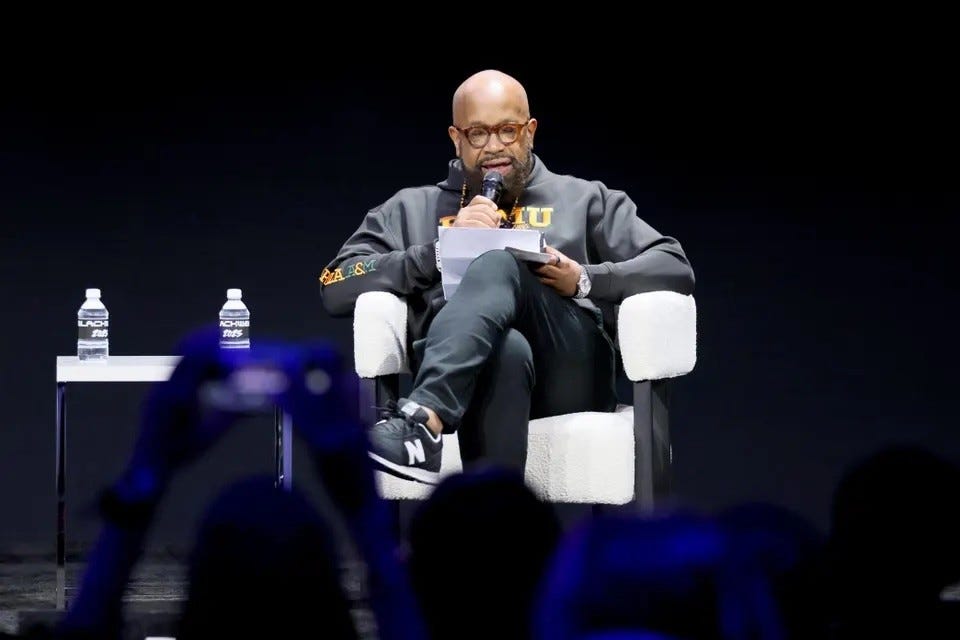
Marcus Collins has spent years arguing that culture is the most powerful force shaping human behavior, and that brands are vessels of meaning negotiated inside it. His Forbes piece turns that argument over. He hosts Arturo Nunez, who led marketing at the NBA, Nike, Apple, and Nubank, and who can name what happens when culture gets fumbled. Nunez grew up in Harlem among five diasporas, and credits that proximity with the cultural intimacy that lets a marketer read nuance outsiders miss.
The detail I keep returning to: two hundred people saw a tone-deaf campaign before it shipped, and no one objected. Either nobody in the room had the cultural fluency to catch it, or they had it and didn’t feel safe saying so. For senior leaders the parallel is uncomfortable, because the internal customer behaves like the external one. Design from the top, exclude the people your decisions land on, and you get employees comparing notes in the hallway about a call they were never invited to question. Where is that happening in your organization?