
Departing

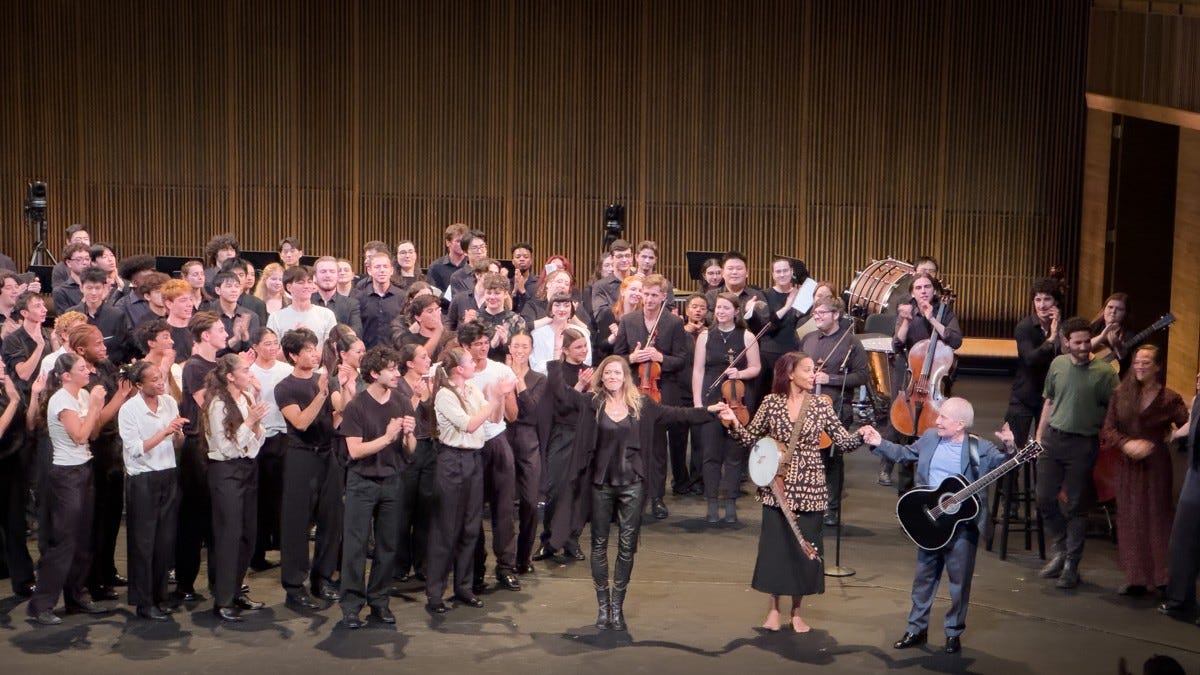
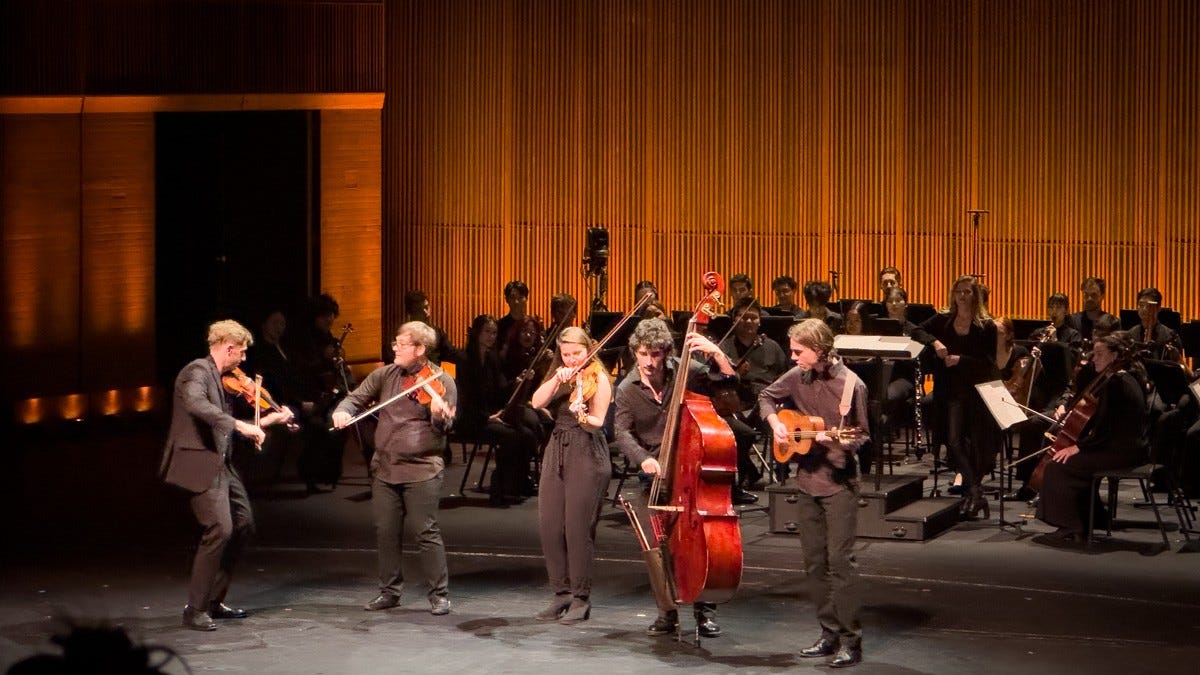
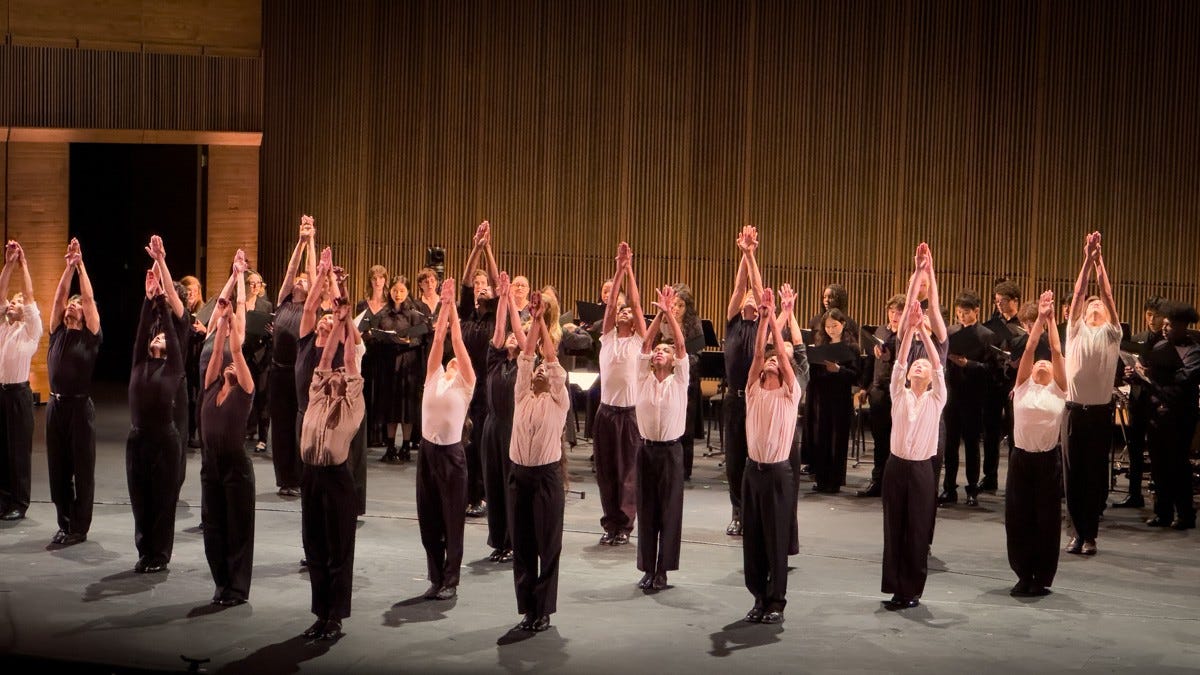
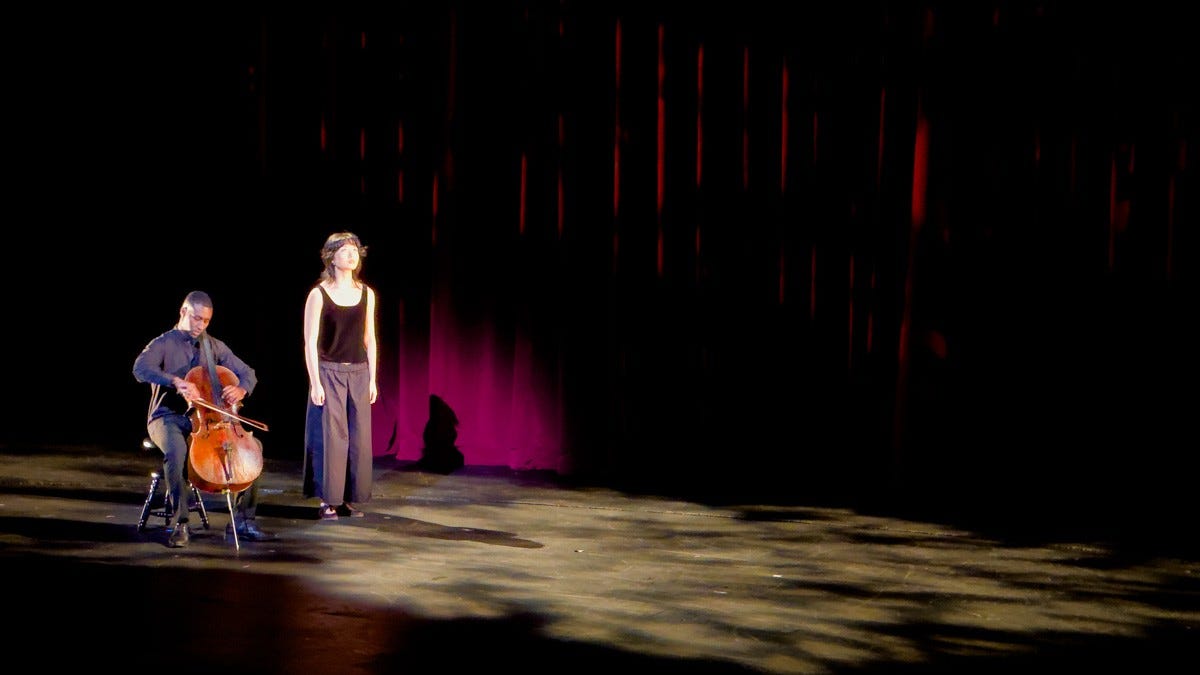
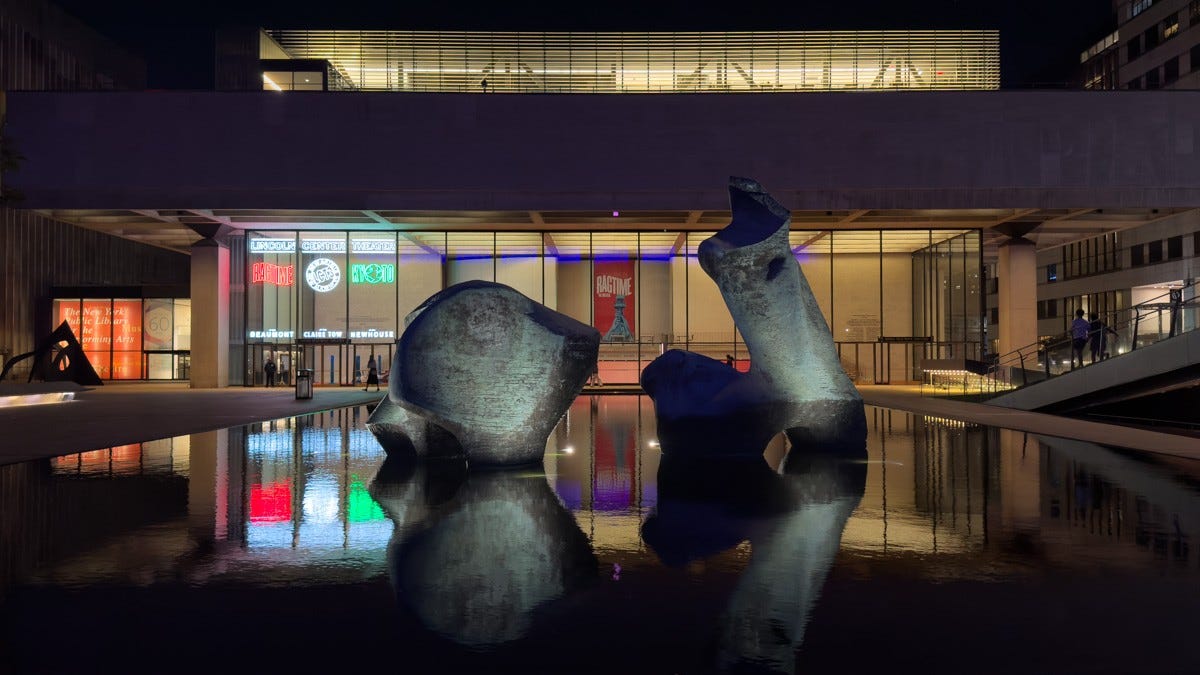
This past weekend, my friend Arthur texted me at the last minute to let me know that he was going to the closing night of the Juilliard Fall Festival and that Rhiannon Giddens would be performing. I generally make it a rule not to miss a chance to see her perform, so I quickly got tickets and headed down to the theater. My general rule to say yes did not let me dow,n as the exceptional talent of the Juilliard students was on full display. Symphony, Fiddle Club, ballet, opera, and modern dance, each as remarkable as the other. As a final song, with the symphony, fiddlers, and dancers assembled, Rhiannon Giddens performed American Tune by Paul Simon, with Paul Simon himself. The theme of the performance was "Departing" – a program that engaged with history and the great melting pot of culture, highlighting work by artists who brought their pasts with them as they traveled far from home over the course of their lives. The evening embodied how we grow as a society, a snapshot of how additions of voices and cultures over time create a new world out of the diaspora of individual experience. As I sat in that theater, watching these remarkable artists weave their personal stories into something magnificent, I was struck by three profound insights about leadership: we must create space for people to bring their whole selves to our teams, we should celebrate the temporary nature of our collaborations as essential to flourishing, and we have a responsibility to ensure people leave us richer than they arrived.
Creating space for authentic contribution requires more than simply hiring diverse talent – it demands that we actively invite people to bring their histories, perspectives, and cultural gifts into our shared work. Just as the Juilliard performance was enriched by each artist's unique background and training, our organizations flourish when team members feel safe to contribute not just their skills, but their stories. This means moving beyond surface-level inclusion to fostering an environment where different approaches, ways of thinking, and cultural perspectives are not just tolerated but truly valued. When we welcome the full spectrum of human experience, we create the conditions for innovation and creativity that would be impossible with a homogeneous team. The magic happens when we stop asking people to conform and start asking them to contribute from their authentic selves.
Embracing the temporary nature of our professional relationships paradoxically makes them more meaningful. Like clouds forming and reforming, our teams are constantly evolving as people join, contribute their gifts, and eventually move on to new opportunities. Rather than fighting this reality or mourning each departure, wise leaders learn to celebrate the beautiful impermanence of our collaborations. This perspective shifts our focus from trying to hold onto people indefinitely to maximizing the value we create together during our shared time. When we accept that everyone will eventually leave – including ourselves – we become more intentional about the experiences we create, the growth we facilitate, and the impact we make together. This mindset transforms departures from losses into natural progressions in everyone's journey.
Perhaps most importantly, we must measure our success as leaders not just by what people accomplish while they're with us, but by how they've grown and what they carry forward when they leave. The best leaders are remembered not for creating dependent followers, but for developing independent contributors who go on to make their mark elsewhere. This requires a fundamental shift in how we think about talent development – from viewing it as an investment in our organization to seeing it as an investment in the person. When we focus on helping people discover and develop their unique gifts, we create a legacy that extends far beyond our immediate team or company. The ripple effects of this approach can be transformative, as those we've invested in go on to invest in others, creating waves of positive impact throughout their careers.
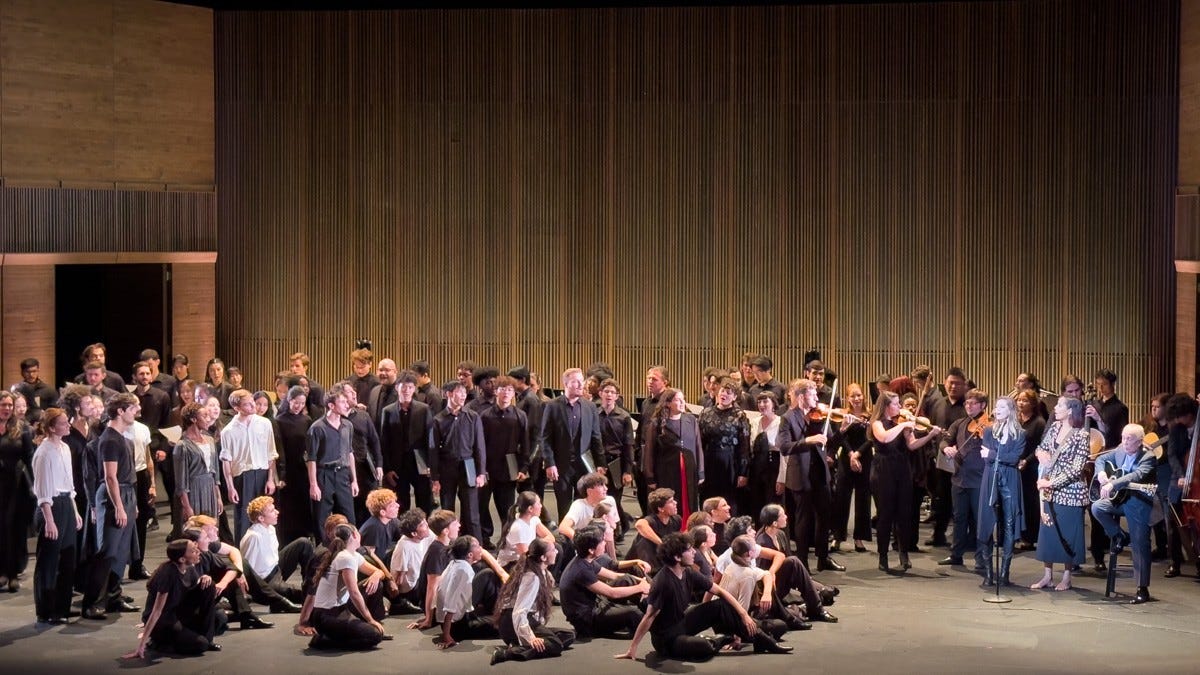
In life and leadership, we are all temporary stewards participating in the symphony of generational flourishing. Like the artists at Juilliard who honored those who came before while preparing to carry their gifts forward, we have the privilege and responsibility to help those we love and lead discover their unique voices and prepare them for their next stage. By creating environments where people can bring their authentic selves, celebrating the beauty of our temporary collaborations, and ensuring everyone leaves richer than they arrived, we transform our organizations into vital instruments in life’s ever-changing composition.
With love, gratitude, and wonder,
Scott

Lessons From Coaching Icons: Frances Hesselbein
Self-Control as the Foundation of Executive Leadership
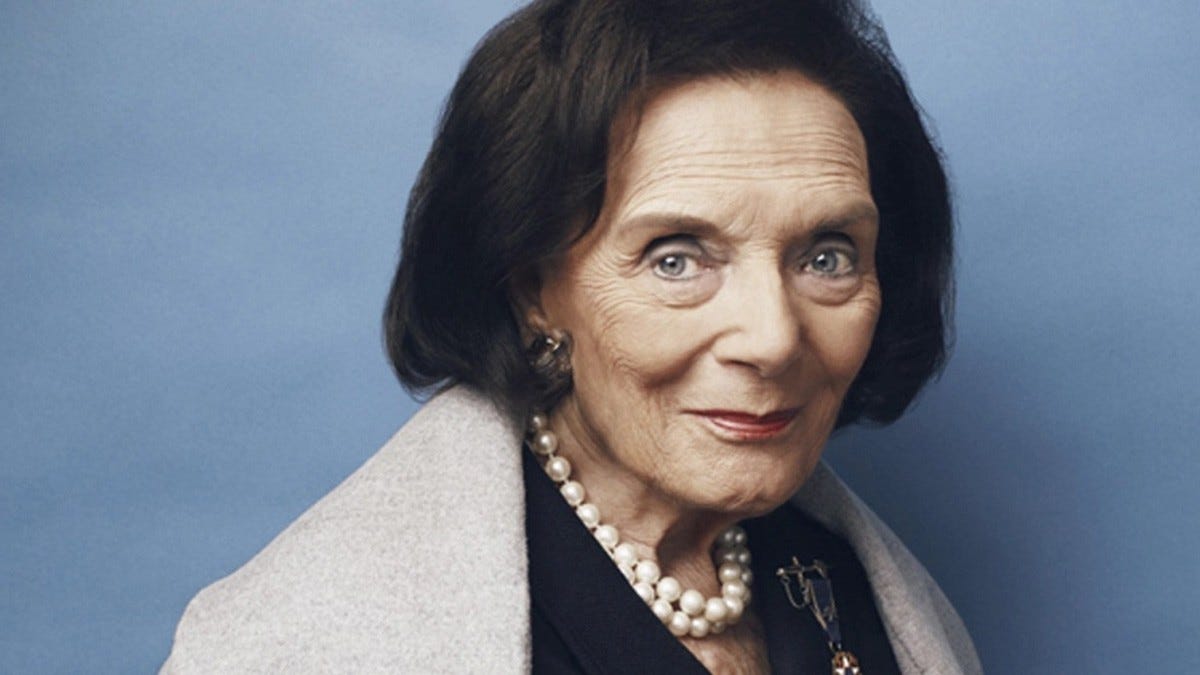
Peter Drucker called Frances Hesselbein "the greatest leader he ever met" - high praise from the founder of modern management. Marshall knew Frances for over 40 years and witnessed firsthand what made her extraordinary: the discipline of authentic leadership through emotional mastery.
Frances never spoke out of anger or complained. Her remarkable self-control wasn't suppression - it was a conscious choice. Before every interaction, she paused to consider others' feelings. Her guiding principle: "Why should I be entrusted to lead others if I cannot even control myself?"
This executive coaching wisdom resonates deeply with Fortune 500 leaders Marshall has worked with. True leadership development begins with self-mastery. Even at 107, shortly before her passing, Frances focused on Marshall's happiness rather than her illness. That was her essence - leading through service, not ego.
For senior executives seeking leadership transformation, Frances modeled the path: authentic leadership flows from disciplined self-awareness and genuine care for others.
What moments of self-control have defined your leadership journey?
DESIGN YOUR PAGE IN THE BOOK OF LIFE by Ayse (Eye-Shay) Birsel and Scott Osman

Together with my friend Ayse (Eye-Shay) Birsel and our friends at Ayin Press we have created something remarkable. Last spring, when I shared my idea about designing your own page in the Book of Life—drawing from Jewish tradition where fate is written between Rosh Hashanah and Yom Kippur—Ayse immediately saw the transformative potential. What emerged is "Design Your Page in the Book of Life," a structured workbook combining her design methodology with my leadership development expertise.
The process follows Ayse's proven three-step framework: Deconstruction (analyzing your past year), Point of View (what I call the "Liminal Space" between what was and what's next), and Reconstruction (consciously designing your future). What makes this collaboration particularly powerful is how our perspectives merge—her global, design-centered worldview as a Turkish-born designer with my experience developing leaders and high-performing teams.
This isn't just another self-help tool. It's about approaching life like a designer, taking active responsibility for creating the life you want rather than simply reacting to circumstances. It is a play book for using the liminal space of the holidays to reflect on where we have been, where we are, and where we would like to go.
Print/Digital Bundle: https://shop.ayinpress.org/products/expanding-the-field-a-diy-rosh-hashanah-companion-print-digital-preorder
Digital Only: https://shop.ayinpress.org/products/rosh-hashanah-zine-digital
Happy Anniversary Becoming Coachable!
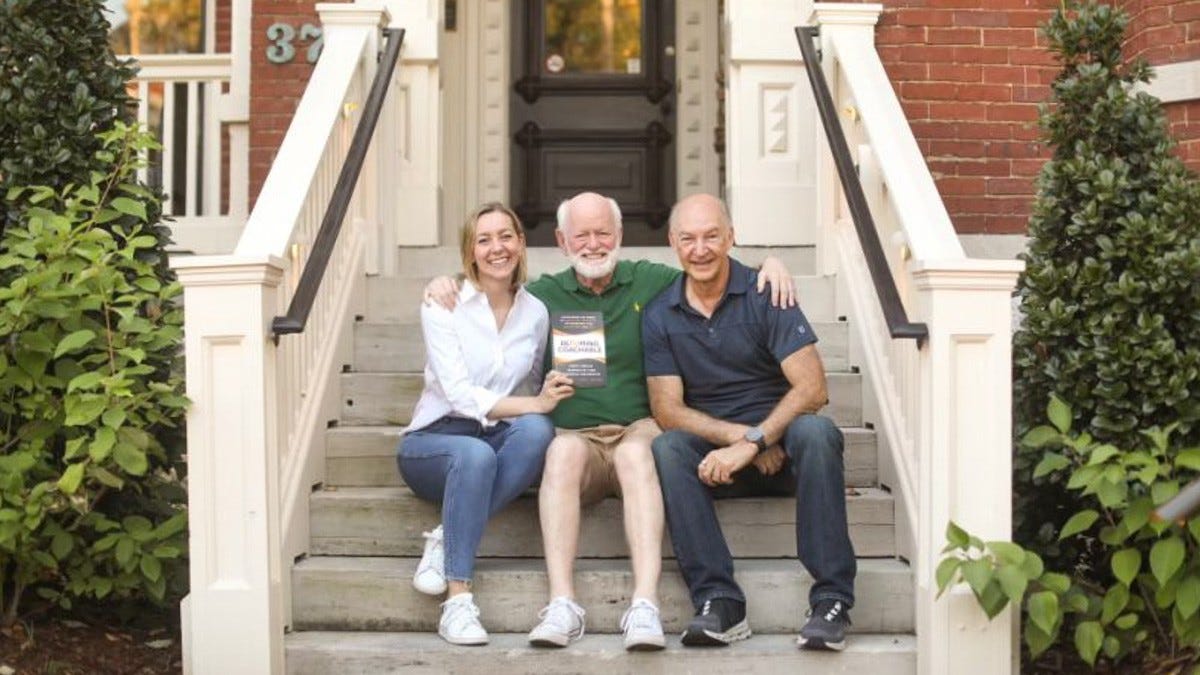
Two years ago today, we launched Becoming Coachable! This book was born from a belief that Jacquelyn Lane and Marshall Goldsmith and I share: real leadership transformation begins with a willingness to grow, and that willingness is what we call being coachable.
Coachability isn’t about perfection. It’s about openness to change, to feedback, to taking meaningful action and to being held accountable.
It’s not just about what you achieve, but also about who you become along the way. We know that the best leaders are those who understand leadership is about more than just themselves – that they have the power to create flourishing both for themselves and for the people around them.
Over the past two years, it’s been humbling to hear from so many leaders, coaches, and teams who’ve embraced this message and made it their own.❤️ We're especially grateful to the extraordinary community that helped bring Becoming Coachable into the world. Thank you: Mark C. Thompson, Alan Mulally, Hubert Joly, Sally Helgesen, Martin Linstrom, Tal Ben-Shahar, Sanyin Siang, Connie Dieken, Dean Miles, MA - Executive Advisor/Strategic Partner, Peter Bregman, Adrian Gostick, Alex Lazarus MSc, CBP, Alisa Cohn, Caroline Webb, Chester Elton, Jen Goldman-Wetzler, Ph.D., John Reed PhD, MBA, MCC, Jenny Fernandez, MBA, 费 珍妮, Laine Joelson Cohen, and many, many others!!