
Three Cities

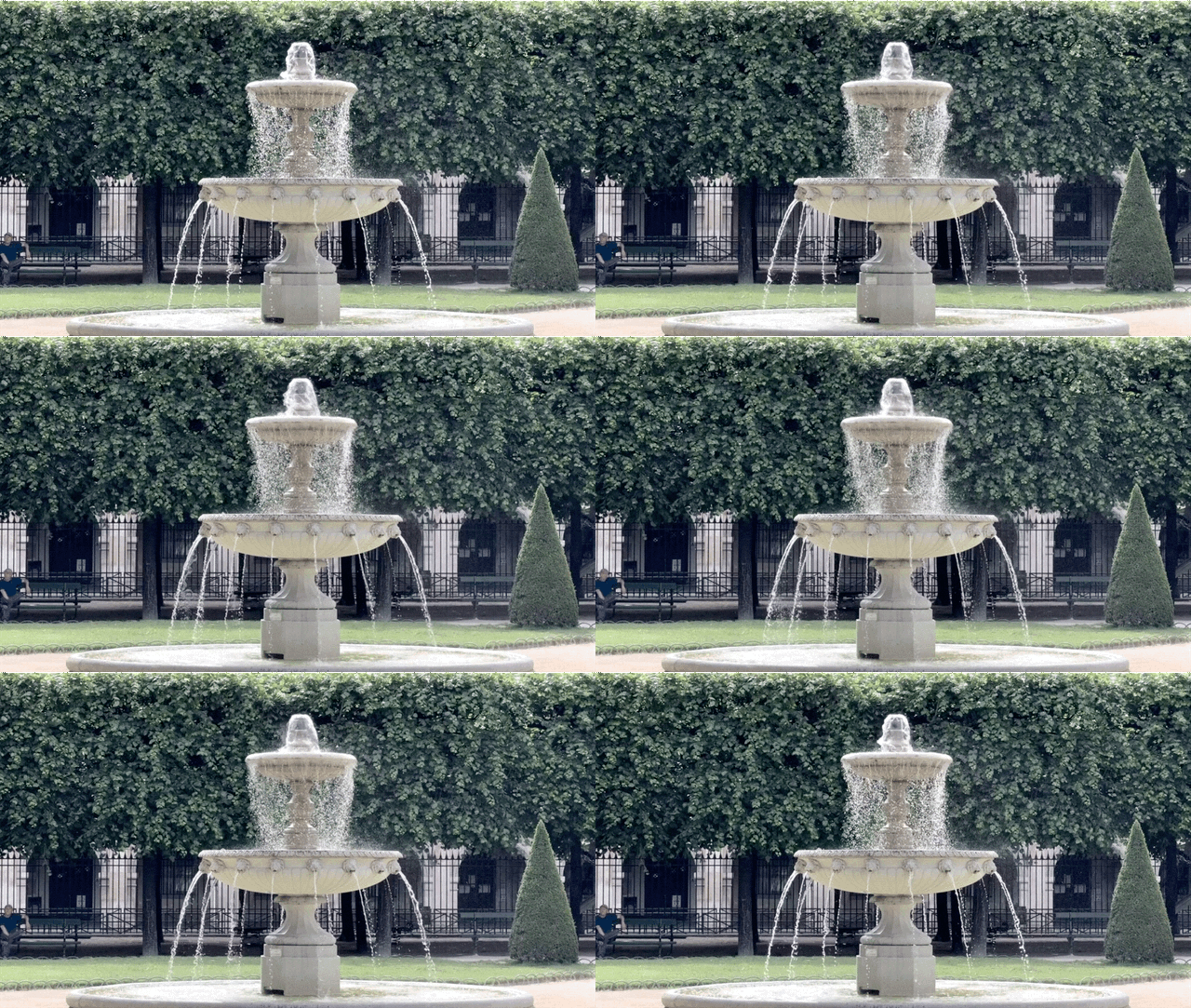
May was an unusually active travel month for me, with trips to Calabria, Copenhagen, and Paris, a mix of work and pleasure. The schedule meant I returned to New York between trips, which created some separation and made it three distinct city trips rather than one long European vacation. Because each trip stood on its own, I got a sense of what made each city singular. In Calabria, I walked the onion fields of Tropea and tasted what many believe are the finest sweet onions in the world. In Copenhagen, I felt what happens when a culture loves architecture and design so deeply that the city becomes the physical embodiment of that commitment. And in Paris, once again, I remembered what life can be when cultural experience is the priority; when the food, the clothing, the art are given a place no other city affords them. Three cities, three forms of greatness, and three insights for those who lead.

The onions of Tropea are not exceptional by accident. They are the product of a particular climate, a special soil type, and generations of farmers who chose to honor what their land does best rather than chase what it cannot. The onion is not better in some absolute way. It is the best it can be for its unique context here, in this soil, under this sun, in the hands of people who know it. Greatness is like that. It is rarely a fixed quality someone carries from place to place. It is a fit between a person, the work that matters most, and the conditions around them. The temptation for a leader is to ask who the best people are, as though the answer were settled. The better question is quieter and harder: best at what, for what, right now, and what would they need around them to do it fully? Answer that, and you stop guessing and invest with confidence.
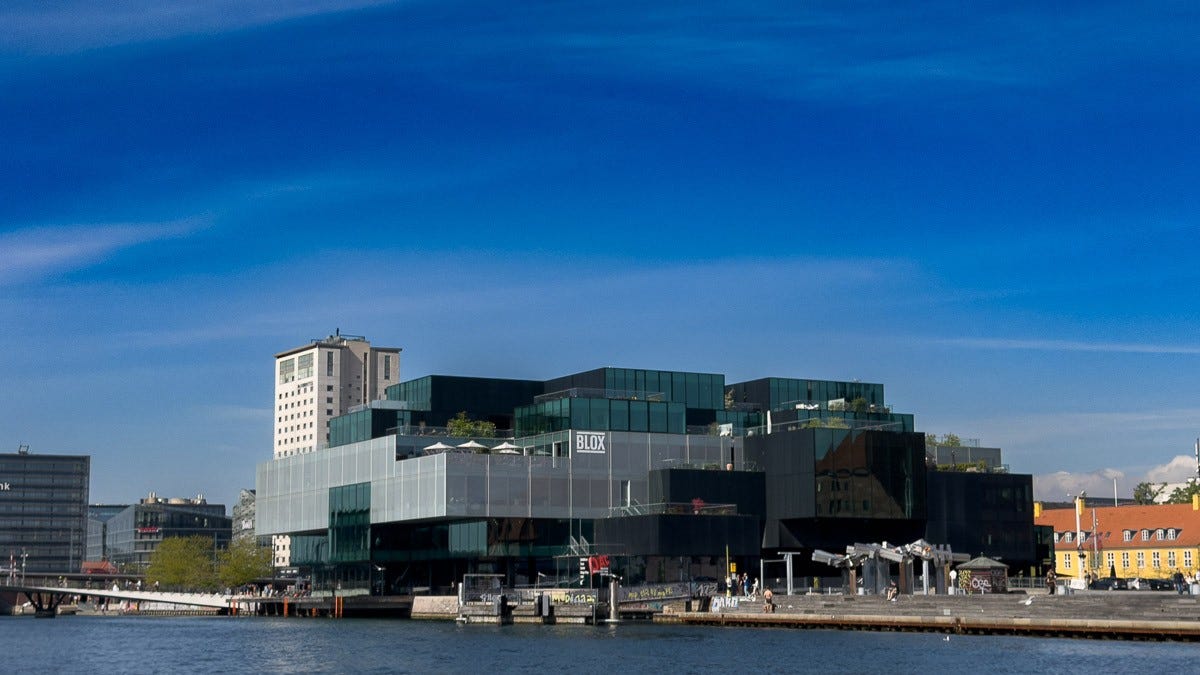
Copenhagen taught me something quieter. A city does not become beautiful by decree. It becomes beautiful because countless people, over many years, agree that design matters and then act on that belief in small, daily ways. The bike lanes, the lamplight, the proportions of a doorway, none of it happens without people who care about the conditions others will live in. Leaders shape conditions in the same way. The same person, in the same role, will do entirely different work depending on what surrounds them. We tend to credit the talent and forget the context. But the truest investment a leader makes isn’t in the person alone. It is in the conditions around the person, the clarity, the support, the room to do the work that they do best. Build those well, and talent begins to flourish. The Danish city teaches us that greatness is something you make a place for.

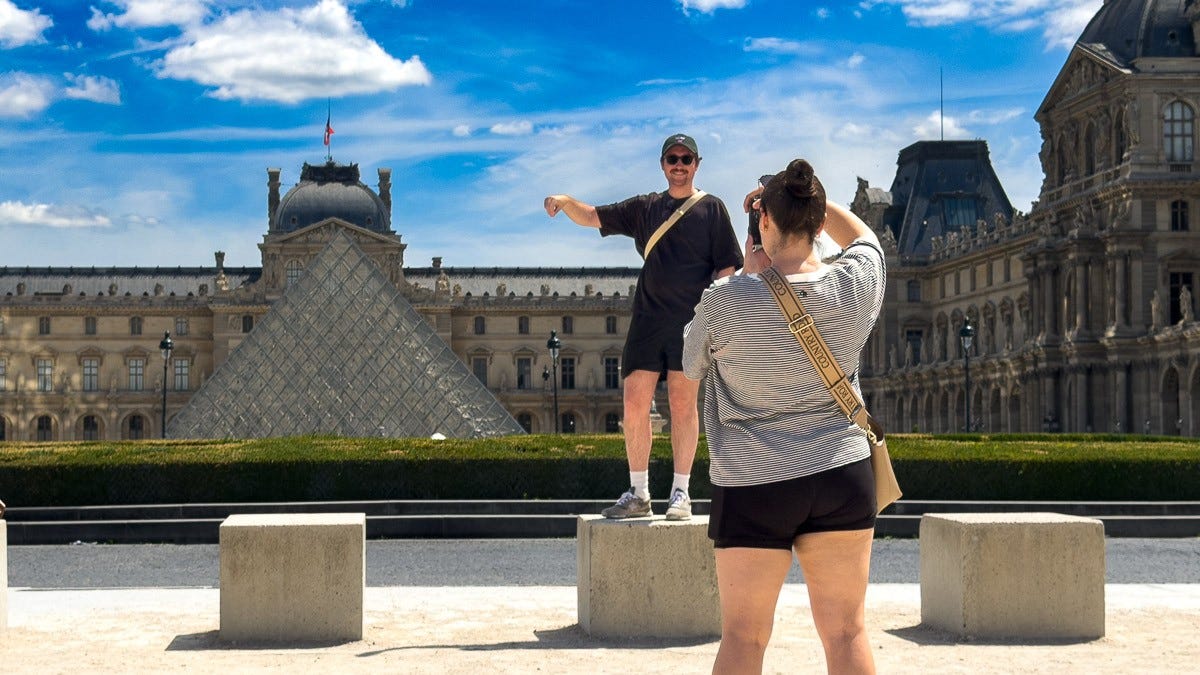
Paris makes a different case. What makes Paris itself is not that it does many things well but that it has decided, without apology, what it values and arranged life around that. There is a confidence in choosing. A leader who tries to be the best at everything ends up the best at nothing, and the people around them feel the strain of a mission that is moving in too many directions. A leader who names what matters most, and then commits to it fully, gives their people something rare: clarity. People flourish when they know where they are pointed and why. Naming your priority is not a limitation. It is an act of generosity toward everyone counting on you to lead.
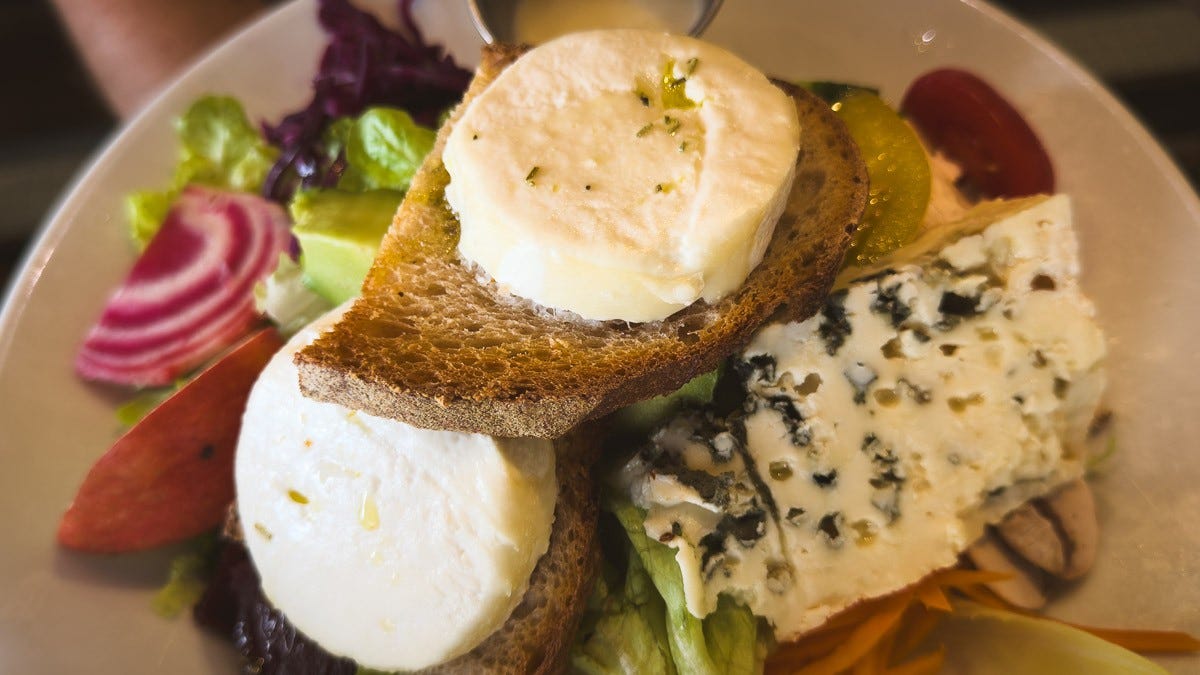
In life and leadership, the deepest work is rarely about doing more. It is about choosing well, tending the conditions, and trusting that small, faithful acts compound into something far larger than ourselves. No city can be the best at everything, and neither can any leader, any team, or any company. Our task is to find the one place where our soil, our climate, and our care meet, then put the right people there and support them so that they and the work can flourish. Done well, that choice outlasts us. It plants something the next leaders, and the ones after them, will harvest long after we are gone. That is how we serve those we lead and love.
With love, gratitude, and wonder.
Scott

The Worst Piece of Career Advice You’ll Get After a Layoff by Morag Barrett

My friend Morag Barrett just challenged a piece of career advice that nearly everyone repeats: when you’re in transition after a layoff, network casually and never lead with your need. She makes the case that this caution backfires. The people who care about you already know your situation, and pretending you’re “just catching up” reads as performance, not connection. It quietly erodes trust because the gap between what you say and what you need is obvious to everyone at the table.
Her alternative is refreshingly direct: say it plainly, be specific, and make it easy for people to help. Specificity, she argues, is what separates real Allies from those who simply say the right things. And what you do after someone helps—reinvesting in the relationship rather than treating it as a transaction—is what turns a vulnerable moment into a stronger connection.
For leaders who coach others through transition, it’s a useful reframe. How directly do you ask for what you need?
Why the hardest skills in leadership are the ones we’ve typically called soft by Dr. Marcus Collins

Marcus Collins has a piece in Fast Company that leans on something Dr. Becky Kennedy understands better than almost anyone: the work of helping people feel seen and validated isn’t soft, it’s the hardest discipline leadership asks of us. Dr. Becky built one of the world’s largest parenting platforms on that premise, and what strikes me is her observation that the skills parents use to steady a child are the same ones that make someone a better manager. Not transferable. The same.
Her business case is the part I’d sit with. We hire for the visible competencies, the analysis, the P&L, the deck, and six months later the team is somehow worse, because no one measured how a person handles feedback or pressure. Dr. Becky names what most of us only feel. These skills are hard precisely because they resist the spreadsheet, and they matter more, not less, the higher you climb.
Where are you still hiring for what’s easy to see over what actually shapes the culture?
The Therapeutic Workplace by Dean Miles - PhD Candidate, MA
Dean Miles has put his finger on something that plays out across too many boardrooms. In trying to make work feel safer, a lot of organizations quietly traded clarity for comfort—and then wondered why engagement kept sliding. His piece on the therapeutic workplace names the cost directly: when leaders stop setting clear expectations because pressure feels unkind, the people who most need direction get vague reassurance instead. Gallup now puts global engagement at 20%, with accountability ranking as leadership’s single greatest weakness.
What I appreciate about Dean’s argument is that he doesn’t pit support against challenge. The best leaders I work with run both at full strength—they’re the most direct people in the room precisely because they respect their teams. Clarity, as Dean puts it, isn’t coldness. Ambiguity is the real cruelty. Worth sitting with as you think about your own culture.
Where does your team confuse comfort with care?