
World Cup Reflections

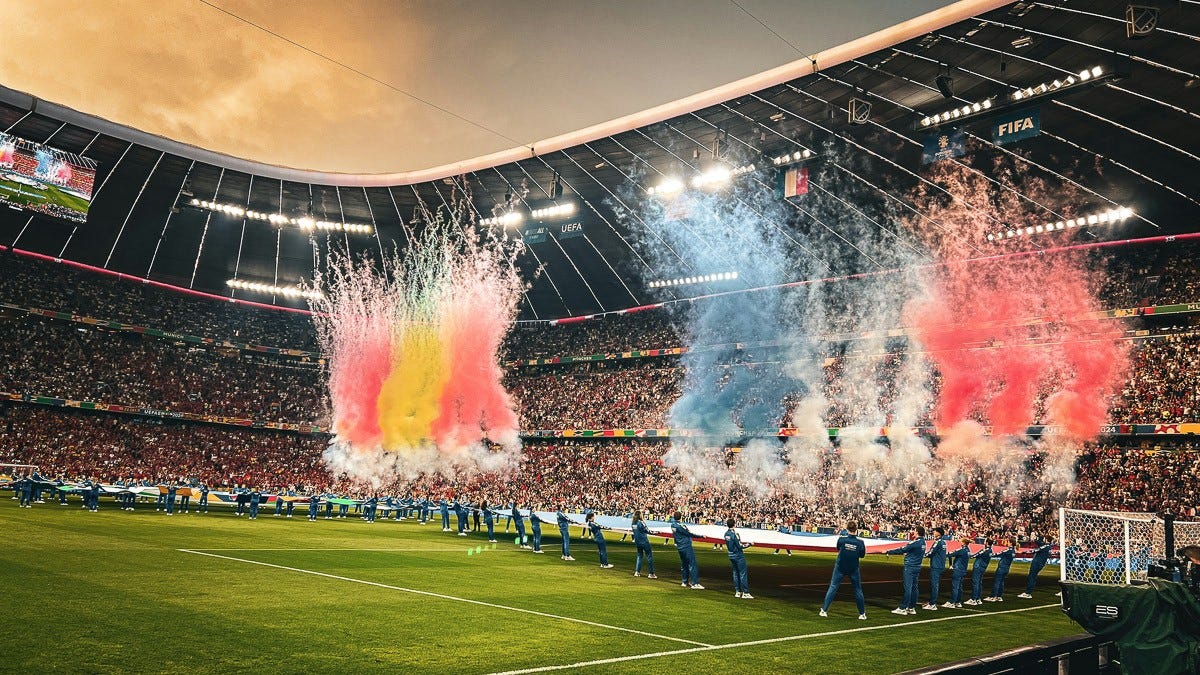
For a month this summer, the World Cup told us a story about superstars. Every broadcast opened with the same names: Messi, Mbappé, Bellingham, Haaland, Kane. The race for the Golden Boot became its own narrative, and the young phenom Lamine Yamal drew attention too, often alongside that famous photograph of him as a baby held by Messi. When commentators handicapped the tournament, they counted stars. France had the deepest collection of them. Argentina had Messi, who always seemed to find something at the end. England had playmakers who kept them in every match. Norway had a Viking up front who could win a game alone. Then the final whistle blew, and the team lifting the trophy was Spain. They had dominated the tournament from the first match to the last. Three things about how they did it are worth discussing and carrying into our own work: they did the work together, they were extraordinarily patient, and no one player stood in the light.
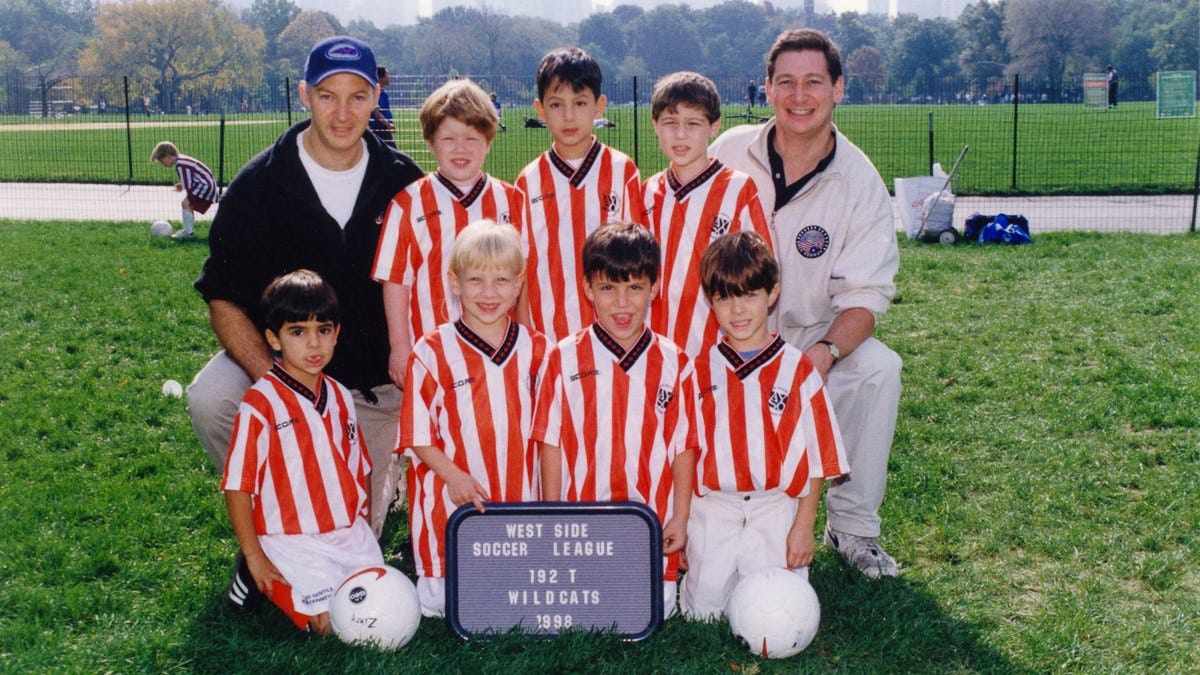
Spain conceded a single goal in the entire tournament. That number does not belong to a goalkeeper or a defensive team. It belongs to eleven people agreeing to the same job. The player who forced more turnovers than anyone else on the field was Mikel Oyarzabal, a forward. Their defense began at the top of the pitch, with the players furthest from their own goal doing the unglamorous work of winning the ball back. This is what a shared system looks like when everyone actually joins in. Most organizations have a stated way of working. Fewer have one that the people with the most status still follow when it is hard or inconvenient. The difference shows up in results that look improbable from the outside and are simply cumulative from the inside. Ask yourself which parts of your system quietly exempt your most valuable people, and what it would cost to close that gap.
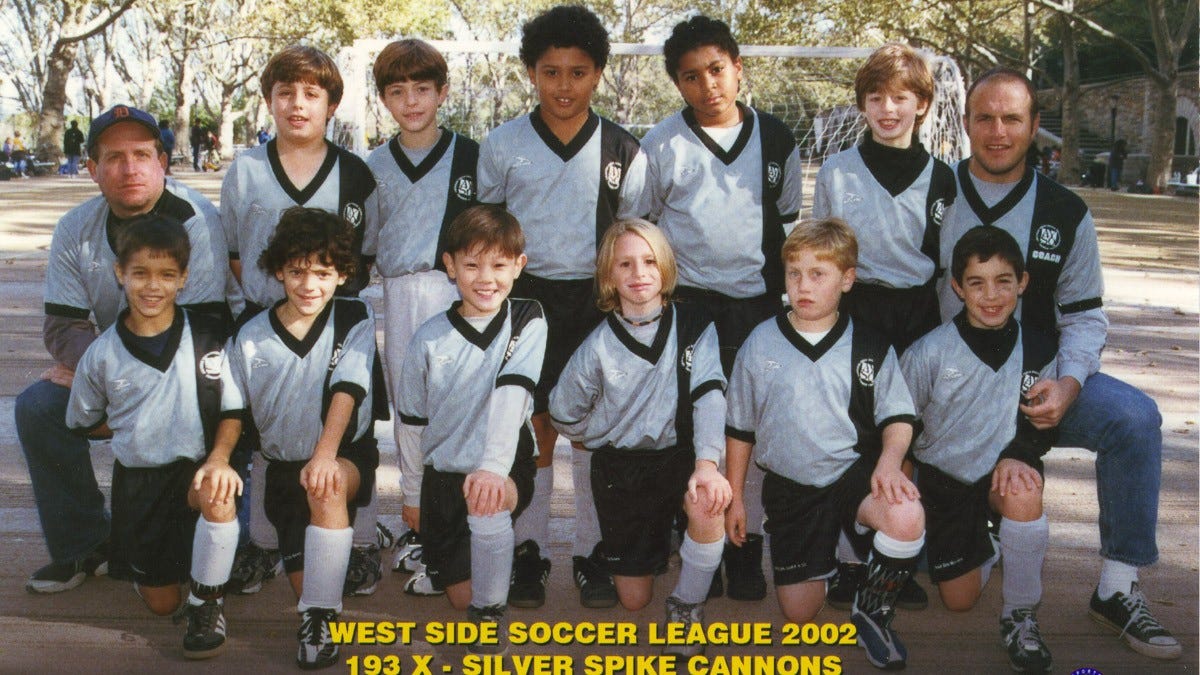
They also waited. Against Argentina’s compact defense, Spain kept the ball and kept the ball, recycling possession through Rodri and Fabián Ruiz, declining the risky pass that might have made a highlight and might have ended the match. The winning goal came in the 104th minute. Think about the discipline of the 103 minutes before it, and the pressure to force something, anything, that must have been building in every player and every person watching. Patience is not passivity. It is the confidence that the work you are doing now will produce an opening later, even when no one can see it yet. Leaders who lack this reach for the visible move, the reorganization, the announcement. Leaders who have it invest steadily in conditions and let the results arrive when they are ready.

And no single player held the spotlight. The individual awards were scattered across the whole field, which tells you something: Unai Simón took the Golden Glove, Pau Cubarsí was named best young player, Rodri won the Golden Ball. The goal that decided the World Cup was scored by a substitute, Ferran Torres. Spain had best players at nearly every position, and what those players did with that standing is the whole lesson. They lifted the people around them. Rodri made the midfielders beside him calmer. Simón made the defense in front of him braver. That is the trait worth looking for in your strongest people: not just that they deliver, but that everyone near them delivers more. When you invest in your best, you are not rewarding a few individuals. You are targeting the investment where it multiplies, choosing the people through whom improvement travels outward to everyone else.

In life and leadership, we are often taught to collect talent and hope it arranges itself. Spain suggests something harder and more durable: build the conditions, share the work, and wait. The systems we build and teams we shape outlast the seasons we shape them in, and the habits we set now will be inherited by people in the distant future. That is the quiet part of leadership, the part no camera finds. It asks less spotlight and more patience, less individual brilliance and more shared commitment. For those we lead and love, that may be the most generous thing we can offer: a system built to make them excellent, long after we have stopped keeping score.
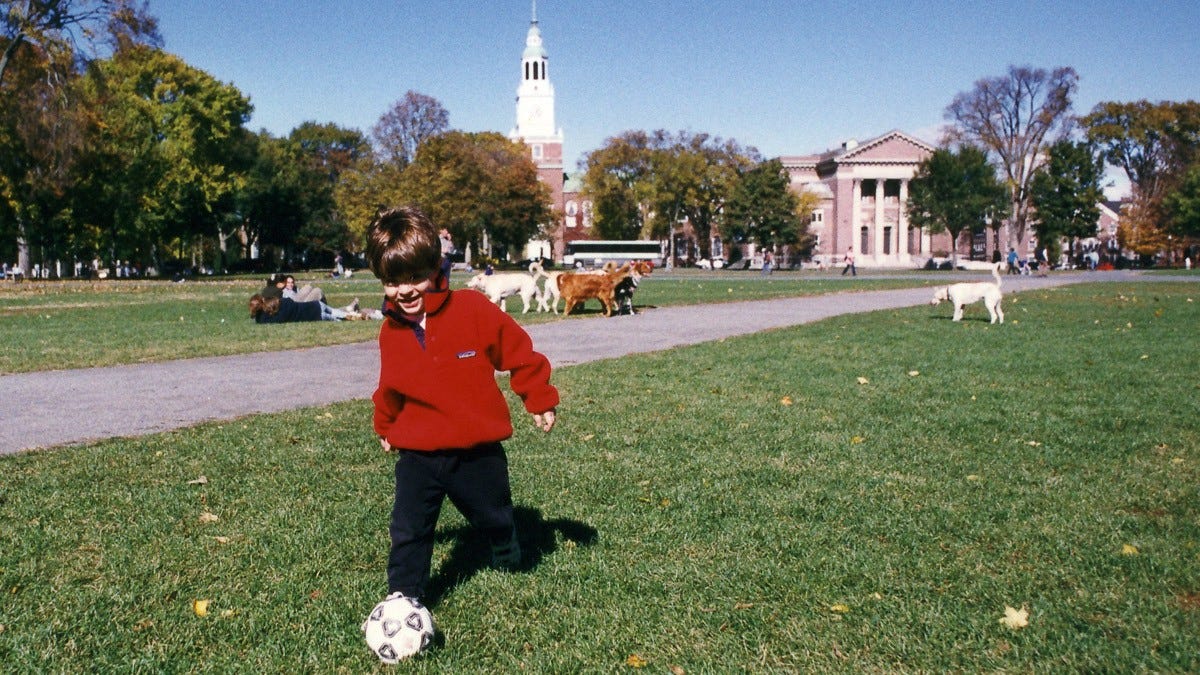
With love, gratitude, and wonder.
Scott
Spain didn’t beat Argentina on Sunday. It finished a thirteen-year project. By Antonio Nieto Rodrigues
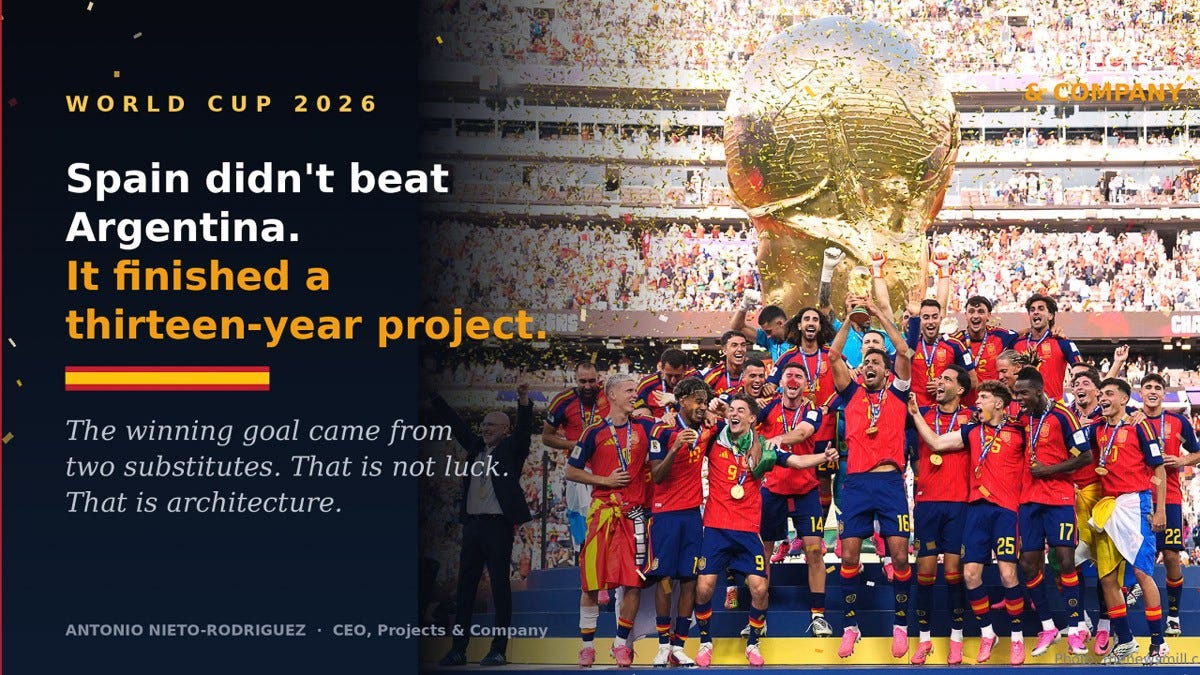
Antonio Nieto-Rodriguez makes an argument in his latest piece that’s worth sitting with. Spain beat Argentina 1–0 in the World Cup final, and the winning goal came from two substitutes who had been training inside the same system since they were teenagers. Luis de la Fuente wasn’t a marquee hire — he joined Spain’s youth structure in 2013 and spent a decade coaching the very players he fielded on Sunday. Antonio’s point is that most organizations treat succession as a search problem. Spain treated it as a manufacturing problem.
He extends it well beyond football. Germany rebuilt its academy infrastructure after the 2000 humiliation and won a World Cup fourteen years later. Britain restructured Olympic funding in 1996 and reached third in the world by 2012. In every case, the payoff arrived long after the decision-makers had moved on. Meanwhile we replace leadership every eighteen months, hire externally for “fresh thinking,” and measure in quarters what takes a decade. Are you building a team, or collecting players?
Why Great Leaders Need More Than Good Judgment An HBR Ideacast with Cornelia Choe and Marshall Goldsmith on why executives need to broaden their perspectives.

Marshall Goldsmith and his co-author Cornelia Choe have a new bestselling book out, The Panoramic Leader, and the argument at its center is one we keep encountering in our work with executives. Most senior leaders are operating from an internal map built out of past successes and failures — and in a landscape changing this quickly, that map is outdated almost the moment it’s drawn. Decisions made from a partial map look right from where the leader is standing. That’s exactly what makes them dangerous.
What Cornelia and Marshall propose isn’t slower decision-making. It’s wider decision-making. Panoramic leadership means asking three questions before a consequential call: Who sees this differently? What do they see? What assumptions am I making that they could challenge? Sometimes that takes fifteen minutes. Marshall’s own version of this is a daily discipline he’s kept for twenty-seven years — with someone calling to hold him to it. The rigor isn’t in the insight. It’s in the repetition.
Perspective isn’t a soft skill. It’s a strategic advantage.
How leaders must upgrade their talents for the AI Age by Dr Tomas Chamorro-Premuzic and Dorie Clark

Dorie Clark, writing with Tomas Chamorro-Premuzic in Fast Company, makes a point that has been sitting with me since I read it. Most senior leaders still treat AI as a technology question — which tools, what adoption rate, whose budget. Dorie and Tomas argue it is a leadership question, and the distinction matters more than it sounds. Treating it as technology means delegating it downward. Treating it as leadership means revisiting your operating model, your incentives, and your decisions about who gets hired and promoted.
Their sharpest observation is about judgment. When everyone has access to the same tools trained on the same data, expertise gets commoditized and judgment becomes the scarce asset. A leader who delegates problem-solving entirely to AI is, in their words, automating themselves. They also expect hiring to shift toward curiosity, humility, self-awareness, and integrity — the qualities long dismissed as soft. Leadership, they conclude, is not custodianship of stability. It is architecture of reinvention.
Which of those four shifts is hardest inside your organization right now?